
By Editor Holly Wagner
Holly@observernews.net
Cockroach Bay is a name that almost always makes first-time visitors smile or wrinkle their noses.
For many, the unusual name conjures images of insects. But the story behind one of South Hillsborough County's best-known natural treasures is far more fascinating — and much more beautiful — than its name suggests.
Long before the area became a haven for kayakers, bird-watchers and fishermen, Cockroach Bay was a thriving estuary where Native American communities harvested fish and shellfish. Archaeological evidence, including shell middens and ceremonial mounds, shows people lived and worked along these waters centuries before European explorers arrived.
Why is it called Cockroach Bay?
The most widely accepted explanation dates back to Florida's earliest Spanish explorers.
According to the Florida Department of Environmental Protection, horseshoe crabs were once so abundant along this stretch of Tampa Bay that Spanish explorers believed the strange-looking creatures resembled giant sea-going cockroaches. Although horseshoe crabs are actually more closely related to spiders than insects, the nickname apparently stuck, eventually giving the bay its memorable name.
Today, many visitors are surprised to learn the bay has little to do with actual cockroaches and everything to do with a remarkable piece of Florida's natural history.
Nestled between Ruskin and the mouth of the Little Manatee River, Cockroach Bay is one of the most ecologically important estuaries in Tampa Bay. It is home to expansive mangrove forests, oyster reefs, seagrass beds and tidal creeks that provide nursery habitat for countless marine species.
Redfish, snook, tarpon, mullet, blue crabs, dolphins, manatees and hundreds of bird species all depend on these waters.
Recognizing its environmental importance, Florida designated the Cockroach Bay Aquatic Preserve in 1976. Today, nearly 5,000 acres of protected waters and wetlands help preserve one of the last largely undeveloped stretches of Tampa Bay's shoreline.
Like much of South Hillsborough County, the land surrounding Cockroach Bay has worn many hats through the years.
Early settlers used portions of the area for ranching, logging and turpentine production. Later, shell mining altered parts of the landscape before extensive restoration projects transformed former mining sites back into thriving wetlands.
Today, the preserve stands as an example of what can happen when a community chooses conservation over development. Thousands of volunteers, scientists and conservationists have helped restore habitats that now support abundant wildlife once again.
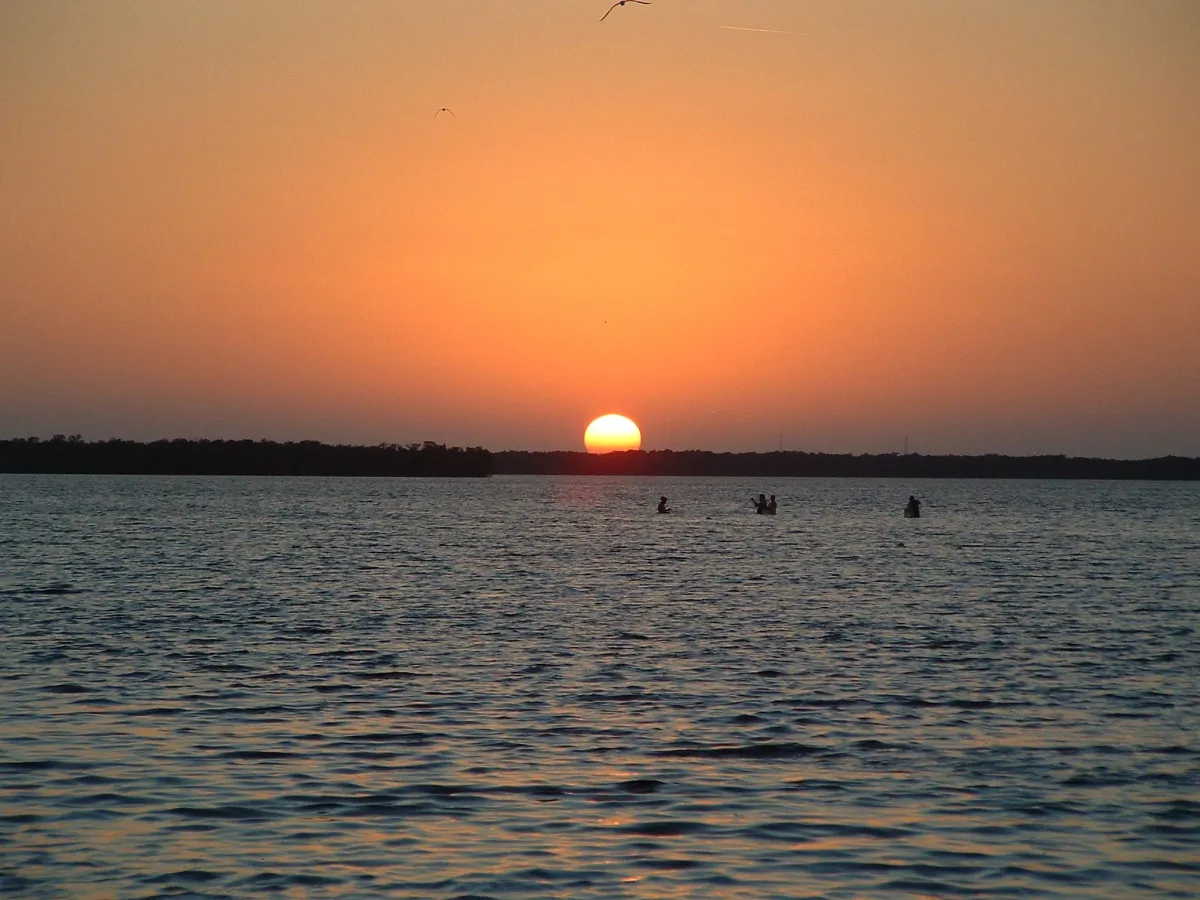
Ask longtime Ruskin residents about Cockroach Bay, and many will tell stories of childhood fishing trips, watching dolphins surface at sunset or paddling quietly through mangrove tunnels.
For bird-watchers, the preserve offers sightings of roseate spoonbills, ospreys, bald eagles, herons and egrets. Anglers know it as one of the region's premier inshore fishing destinations. Kayakers treasure its peaceful paddling trails, where the sounds of civilization quickly disappear beneath the rustle of mangrove leaves and the calls of shorebirds.
It is a place where generations have made memories, not because of its unusual name but because of its quiet beauty.
Sometimes, the places with the strangest names become the ones people remember most.
And for the people of Ruskin, Cockroach Bay has never been about cockroaches. It has always been about home.